Protecting Miami Pets From Fall Parasites: Your October Guide

Protecting Miami Pets From Fall Parasites: Your October Guide
Miami’s warm climate means that fall does not always bring the dramatic temperature drops seen in other parts of the country, but as October arrives, subtle shifts in weather can still impact your pet’s health—especially when it comes to parasites. Fleas, ticks, and heartworms remain active threats to both dogs and cats throughout the autumn months in South Florida. At Your Family Vet, conveniently located at 16355 SW 88th Street, Miami, FL 33196, our team of veterinarians is dedicated to helping you keep your pet safe, healthy, and comfortable year-round.
In this October guide, we will explore why parasite prevention should remain a top priority even as the seasons change, how to spot signs of trouble early, and what steps you can take at home to protect your dog or cat. We will also discuss when it is time to schedule a veterinary visit for professional support. Whether you live in Miami or the surrounding communities, our comprehensive approach to parasite prevention ensures your pet receives the highest level of care. For more information about our full range of preventive services, including parasite prevention and control, our team is ready to help.
Recognizing the Hidden Threat: Signs of Parasites in Miami Pets
Many pet owners assume that fleas, ticks, and heartworms are only a summertime concern, but Miami’s subtropical environment creates a year-round risk. During October, as humidity and rainfall fluctuate, parasite populations can surge—making vigilance especially important.
Key symptoms of flea and tick infestations include frequent scratching, biting at the skin, visible fleas or flea dirt, small red bumps, and in some cases, hair loss or skin infections. Ticks may be found attached to your dog or cat’s skin, often around the ears, neck, or between the toes. Unlike fleas, ticks are not always easy to spot, so regular checks after outdoor activities are essential.
Heartworm disease is more insidious; early on, most pets show no outward signs. As the disease progresses, you may notice coughing, fatigue after mild exercise, decreased appetite, or weight loss in your dog. Cats may display subtle symptoms such as vomiting, difficulty breathing, or sudden collapse. Because heartworm damage can be severe before symptoms appear, routine screening and prevention are crucial.
If you notice your pet scratching more than usual, licking or chewing at their skin, or if you find any unusual bumps or parasites during grooming, it is time to take action. Early recognition and intervention can prevent complications and keep your pet comfortable.
Why Are Fall Parasites a Problem in Miami?
Unlike many regions where cooler weather reduces parasite activity, Miami’s warm, humid conditions allow fleas, ticks, and mosquitoes—the vectors for heartworms—to thrive well into fall and even winter. The local environment, including lush landscaping and abundant wildlife, provides ample opportunities for these pests to multiply and find new hosts.
Fleas can jump onto your pet during a walk or while playing in the backyard, and a single flea can quickly lead to a full-blown infestation. Ticks, often carried by birds or small mammals, are exceptionally hardy and can survive in shaded or wooded areas near your home. Mosquitoes, which transmit heartworm larvae, remain active whenever temperatures are above 57 degrees Fahrenheit, which in Miami can be most of the year.
Additionally, seasonal rainfall in October can create standing water, which is a perfect breeding ground for mosquitoes. Even diligent pet owners may find it challenging to avoid exposure entirely, making preventive strategies essential for every household.
Professional Treatment and Management: How Your Family Vet Can Help
When it comes to protecting your pet from parasites, professional guidance makes all the difference. At Your Family Vet, we offer a range of preventive and treatment options tailored to your pet’s unique needs and lifestyle.
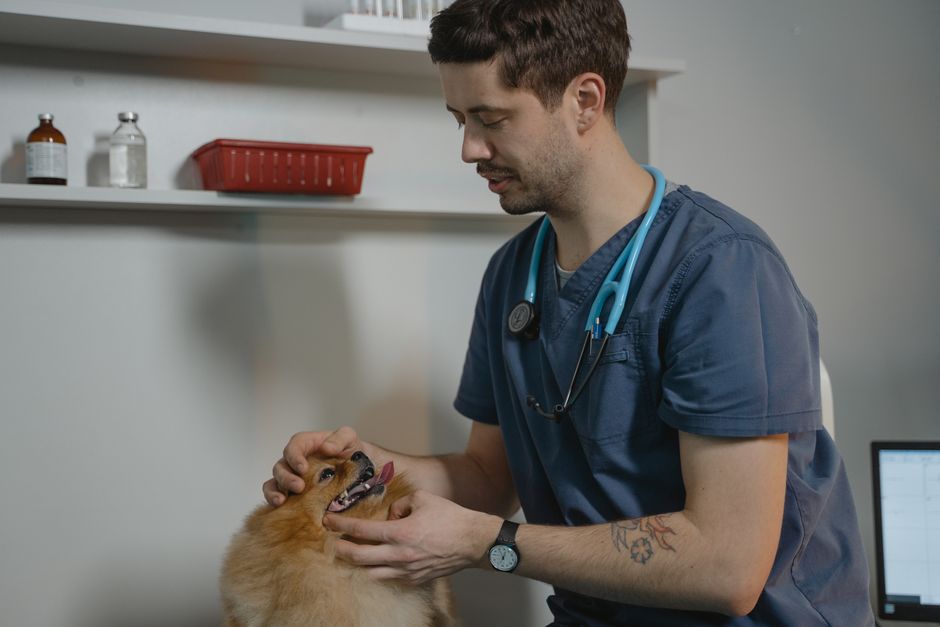
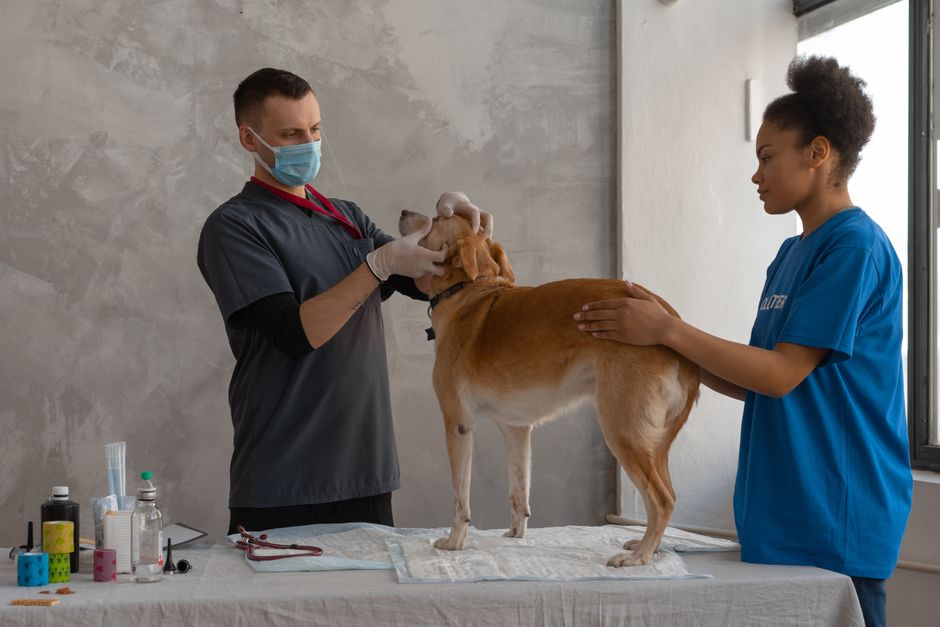
During a comprehensive physical exam, our veterinary team will thoroughly check your pet for fleas, ticks, and any signs of skin irritation or infection. If parasites are detected, treatment approaches may include prescription flea and tick medications, medicated shampoos, or injections, depending on the severity of the infestation and your pet’s medical history.
For heartworm prevention, we recommend year-round preventive medications that are safe for both dogs and cats. If your pet has not been tested recently, our heartworm testing services ensure early detection and timely intervention. Should your dog test positive for heartworms, treatment is complex and must be managed by experienced veterinarians to reduce health risks.
Our veterinary pharmacy offers a selection of trusted parasite preventives, making it easy to pick up your pet’s medications during your visit. We also provide guidance on the most effective products for your household, taking into account factors such as multi-pet homes, allergies, and sensitivities.
Preventing Parasites at Home: Actionable Steps for Pet Owners
While professional care is vital, there is much you can do at home to minimize your pet’s parasite risk this fall. Consistent use of veterinarian-approved flea, tick, and heartworm preventives is the cornerstone of effective protection. These medications should be administered as directed, with no gaps in coverage, since even a short lapse can leave your pet vulnerable.
Regular grooming and thorough checks after outdoor activities help you spot fleas or ticks before they become a bigger problem. Pay special attention to hidden spots such as under the collar, around the ears, and between the toes. Washing your pet’s bedding and vacuuming carpets frequently can help reduce flea eggs and larvae in your home environment.
Mosquito control is another important step. Eliminate standing water in flowerpots, gutters, and birdbaths, and consider using pet-safe repellents in outdoor areas. Keeping your dog or cat indoors during peak mosquito activity, such as dawn and dusk, further reduces exposure.
If you have multiple pets, remember that all animals in the household should be treated to prevent re-infestation. Our veterinary team can help you develop a customized prevention plan for your unique situation.
When to Schedule a Veterinary Visit for Parasite Concerns
Knowing when to seek veterinary care is essential for your pet’s wellbeing. If your dog or cat is showing persistent scratching, hair loss, skin redness, or visible parasites, schedule an appointment as soon as possible. Delaying treatment can lead to secondary infections, discomfort, and in some cases, more serious systemic problems.
Pets that are not already on heartworm prevention, or those who have missed doses, should have a heartworm test before restarting medication. If you have adopted a new pet or recently moved to Miami, an initial exam with parasite screening is recommended to establish a healthy baseline.
Even if your pet seems healthy, routine semi-annual comprehensive exams are the best way to catch problems early. Our veterinarians will assess your pet’s current protection plan, recommend adjustments as needed, and answer any questions you may have about parasite risks in the Miami area.
For more information on the importance of regular check-ups and preventive care, the American Animal Hospital Association offers helpful resources for pet owners.
Your Partner in Pet Health: Why Preventive Care Matters Year-Round
Parasites are more than a nuisance; they pose real health risks for your dog or cat. From itchy skin to serious diseases like heartworm, these pests can impact your pet’s quality of life and in some cases, lead to life-threatening complications. The good news is that with a proactive approach, you can keep your pet safe and comfortable all year long.
Your Family Vet is proud to serve Miami and surrounding communities with compassionate, comprehensive veterinary care. Our team of veterinarians uses fear-free techniques to ensure your pet’s experience is as stress-free as possible. We encourage you to schedule regular visits, keep up with preventive medications, and reach out whenever you have questions or concerns. If you are searching for a trusted [vet near me], our practice is here to support you and your pet at every stage.
To schedule an appointment or learn more about our parasite prevention programs, call us at (786) 885-1590 or visit us at 16355 SW 88th Street, Miami, FL 33196. Your pet’s health and happiness are always our highest priorities, and we look forward to being your partner in lifelong wellness.