
16355 SW 88th Street
Miami, FL 33196
Monday-Friday: 9:00am-6:00pm; Saturday: 8:30am-2:00pm; Sunday: Closed

A physical exam can only tell us so much. Laboratory testing reveals what’s happening inside your pet’s body, guiding an accurate diagnosis and catching problems before they cause obvious symptoms, so treatment is based on real evidence rather than guesswork.
Dr. Morales and Dr. Fernandez combine in-house testing with access to specialized reference labs, so you get rapid results for urgent situations and the ability to run more complex analyses when needed. Every result is logged in your pet’s digital record and interpreted in the context of their full health history.
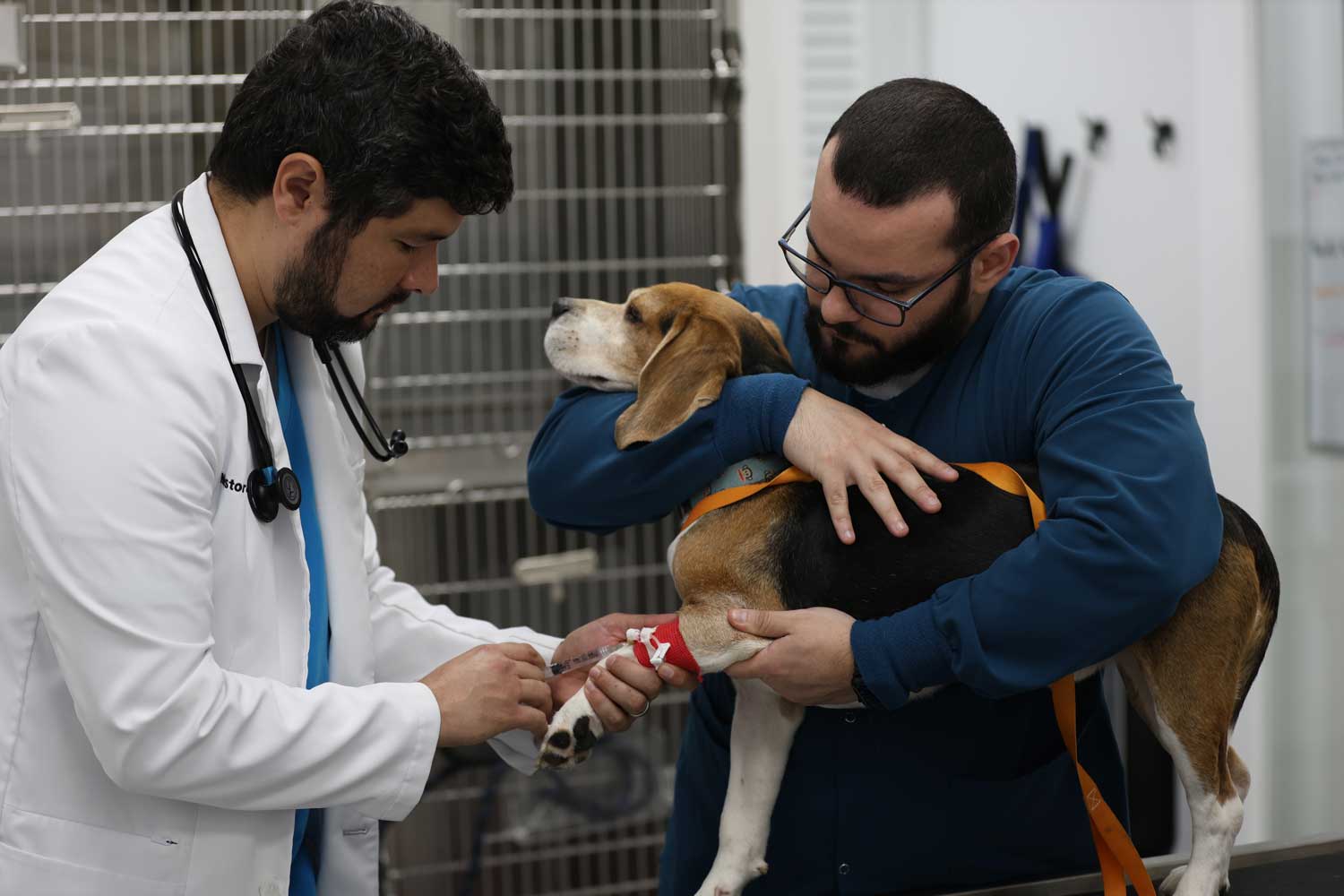
Blood chemistry panels check kidney values, liver enzymes, blood glucose, and other markers of how internal organs are functioning, often flagging problems before your pet shows any symptoms. Complete blood counts examine red cells, white cells, and platelets to detect anemia, infection, or inflammatory conditions.
Urinalysis checks kidney function, urinary infections, and metabolic conditions like diabetes, and can catch kidney disease early enough for dietary management to slow its progress. Fecal exams detect intestinal parasites like roundworms, hookworms, and giardia, and we recommend testing at least annually for adult pets, more often for puppies, kittens, or outdoor pets.
Annual or twice-yearly bloodwork establishes your pet’s individual baseline, making it easier to spot meaningful changes over time, and catches kidney disease, diabetes, or thyroid problems before symptoms appear. Any pet undergoing anesthesia for surgery or a dental procedure needs pre-anesthetic bloodwork to confirm their organs can safely process the medications involved. Call (786) 885-1590 to schedule testing.
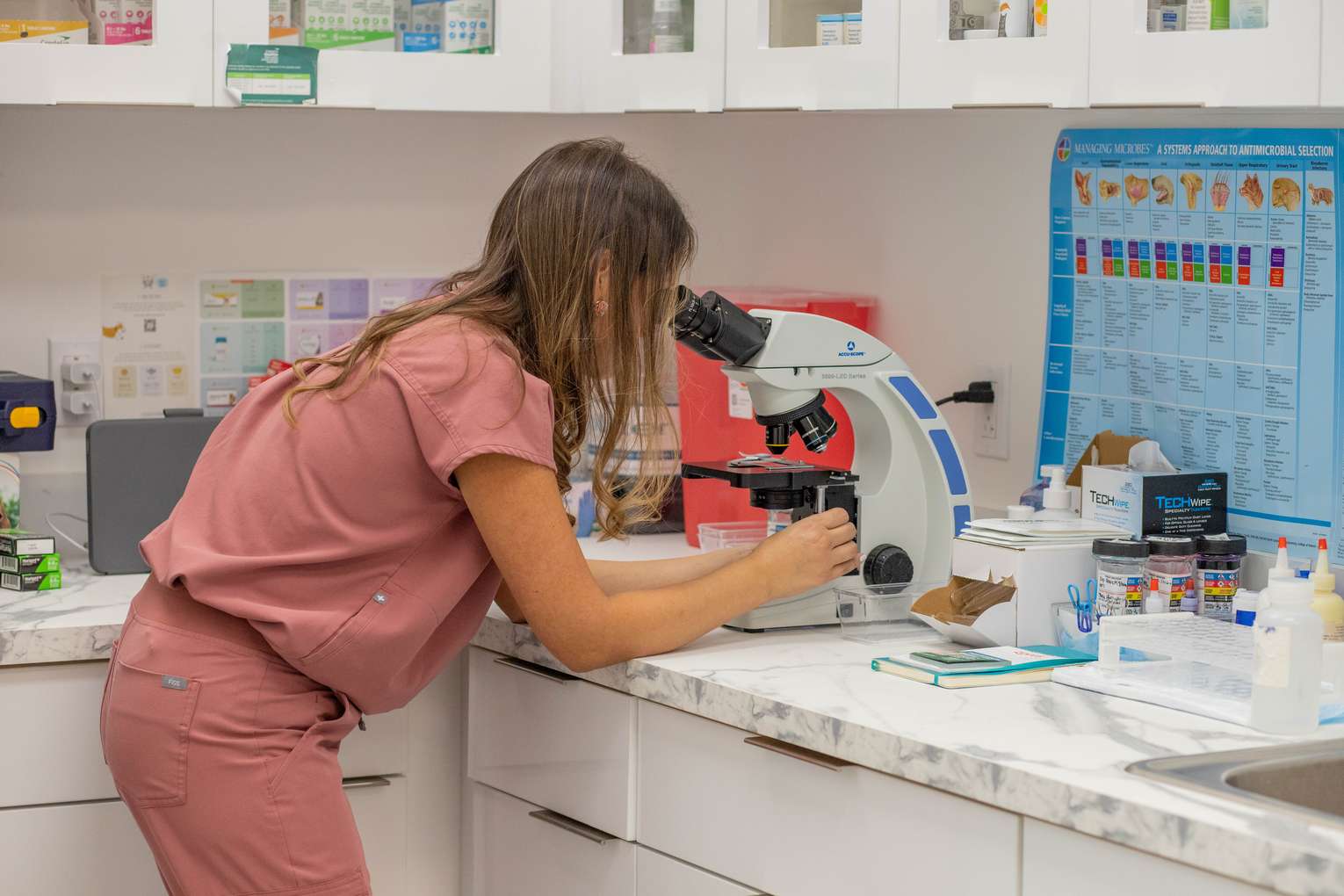
When your pet shows symptoms like vomiting, lethargy, or changes in appetite, lab work helps us identify the actual cause instead of just treating symptoms. In urgent situations, our in-house equipment can return results within minutes, letting us act quickly when it matters most.
Pets managing diabetes, kidney disease, or thyroid disorders need regular bloodwork to track how well treatment is working and adjust medication as needed. Serial testing over time shows whether a condition is stable, improving, or needs a different approach.
Thyroid testing helps diagnose hyperthyroidism in cats or hypothyroidism in dogs, both very treatable once caught. Annual heartworm testing confirms prevention is working, and rapid tests for FeLV, FIV, parvovirus, or tick-borne diseases like Lyme give us answers within minutes so treatment can start right away.
We look at your pet’s full picture, symptoms, exam findings, and history, rather than a single number in isolation, since patterns often matter more than one borderline value. Some abnormal results get repeat testing to confirm whether they’re temporary or truly meaningful.
At Your Family Veterinarian, we’re proud to offer:

In-house test results are typically available the same appointment or within a few hours, so we can discuss findings before you leave. Tests sent to an outside reference lab, like specialized panels or cultures, usually take 24 to 72 hours, and we’ll always let you know the expected timeline and follow up once results are in.
A fecal exam screens for intestinal parasites like roundworms, hookworms, whipworms, tapeworms, and giardia, which can cause diarrhea, weight loss, and, in some cases, spread to people. We recommend testing at least once a year for adult pets and more often for puppies, kittens, or pets who spend a lot of time outdoors.
Yes, annual bloodwork is one of the most valuable preventive tools we have. Conditions like early kidney disease, diabetes, and thyroid disorders often show no obvious symptoms until they’re fairly advanced, so catching subtle changes on a panel gives us the chance to intervene early and establishes your pet’s individual baseline for future comparison.
Pre-anesthetic bloodwork confirms the kidneys and liver can safely process anesthesia and helps catch hidden health issues that might not affect daily activity but could cause complications under sedation. Call (786) 885-1590 if you have questions about what’s included before your pet’s procedure.
It depends on the condition, but pets managing diabetes, kidney disease, or thyroid disorders typically need regular monitoring to check whether treatment is working and whether doses need adjusting. Serial testing over time shows whether a condition is stable or progressing, which guides ongoing care decisions.
Accurate answers start with the right testing. Call (786) 885-1590 or book online to schedule laboratory testing with Your Family Veterinarian. Our clinic is located at 16355 SW 88th Street, Miami, FL 33196 in the shopping plaza with LA Fitness and Starbucks. We’re open Monday through Friday, 9am–6pm, and Saturday, 8:30am–2pm, and we accept CareCredit and Cherry financing.