
16355 SW 88th Street
Miami, FL 33196
Monday-Friday: 9:00am-6:00pm; Saturday: 8:30am-2:00pm; Sunday: Closed
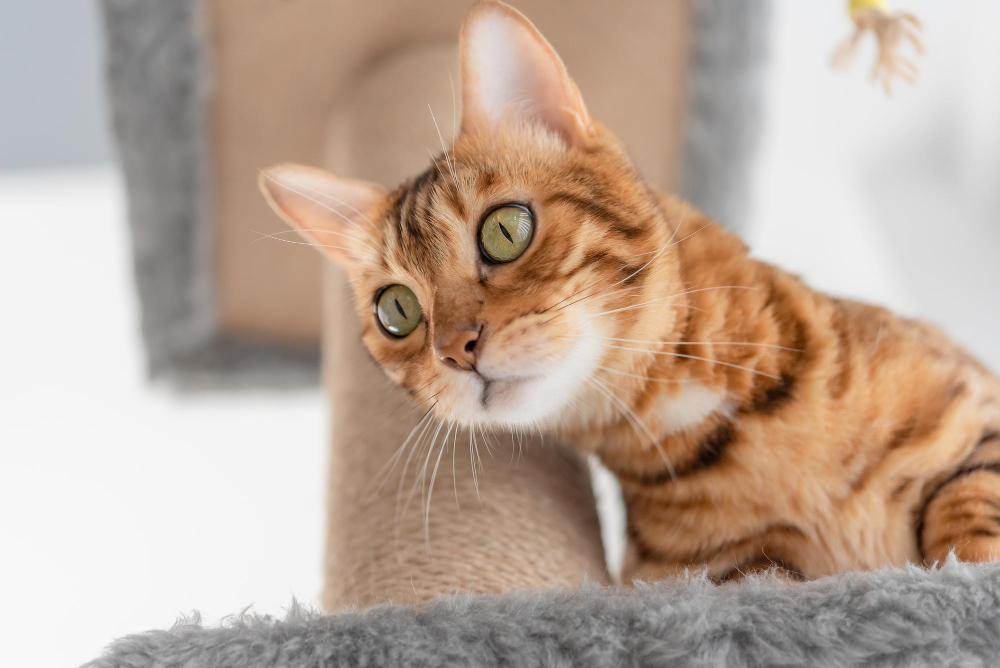
Your pet’s golden years deserve the same attention and love you’ve given them all along, and specialized senior care helps catch age-related conditions early, when they’re most treatable. Older pets face unique health challenges that call for more frequent monitoring, adjusted treatment, and compassionate support for both the pet and the family.
The senior threshold varies by species and size. Cats and small dogs typically reach senior status around seven to ten years old, medium dogs around seven to eight, large breeds as early as five or six, and giant breeds by four or five. Larger animals age faster at the cellular level and put more strain on their joints and organs over a lifetime, so a six-year-old Great Dane faces changes similar to a ten-year-old Chihuahua. Once your pet reaches this stage, we recommend shifting to wellness exams every six months.
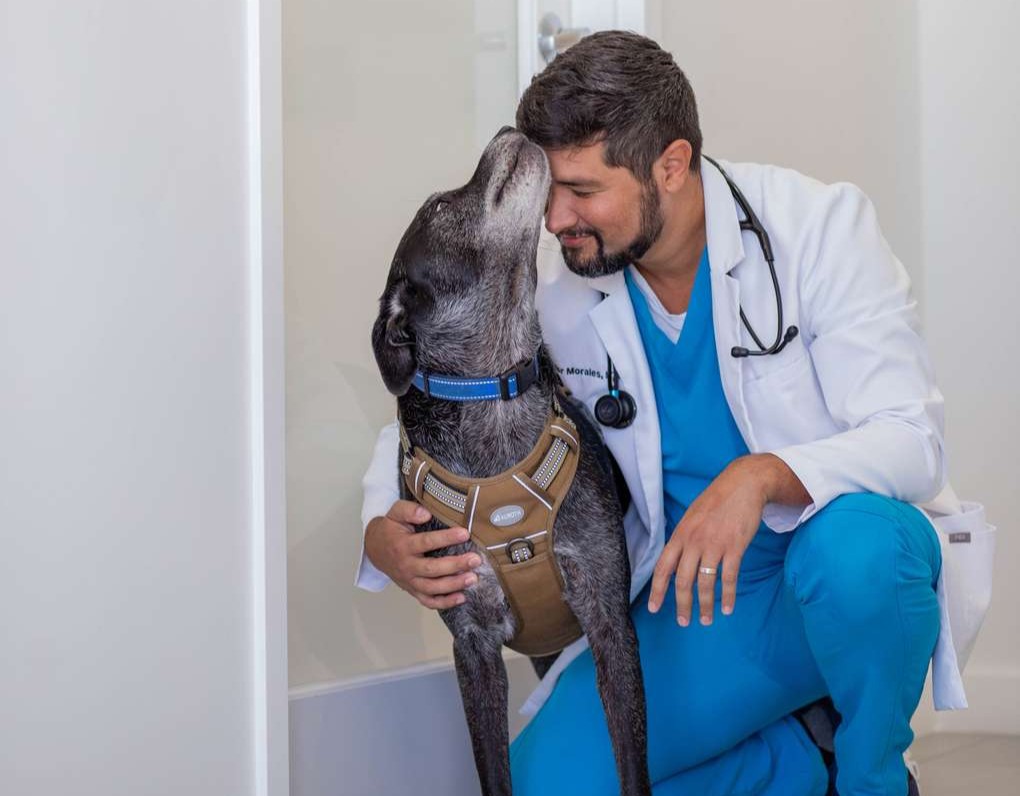
Aging shows up differently in every pet, but some patterns are common. Physical signs include graying around the muzzle, cloudy eyes, reduced mobility, and weight changes, with many seniors developing arthritis that makes stairs or jumping harder. Behavioral shifts often follow too: less interest in play, changes in grooming or litter box habits, and signs of cognitive decline like confusion or altered sleep. None of these should be written off as “just getting old,” since many age-related conditions respond well to treatment when caught early.
Senior wellness visits include a full physical assessment, a conversation about any changes you’ve noticed at home, and diagnostic testing based on your pet’s age and history. Bloodwork checks kidney function, liver health, blood sugar, and thyroid levels before symptoms appear, and urinalysis helps catch early kidney disease and diabetes. Call us at (786) 885-1590 to schedule your senior pet’s next wellness exam.
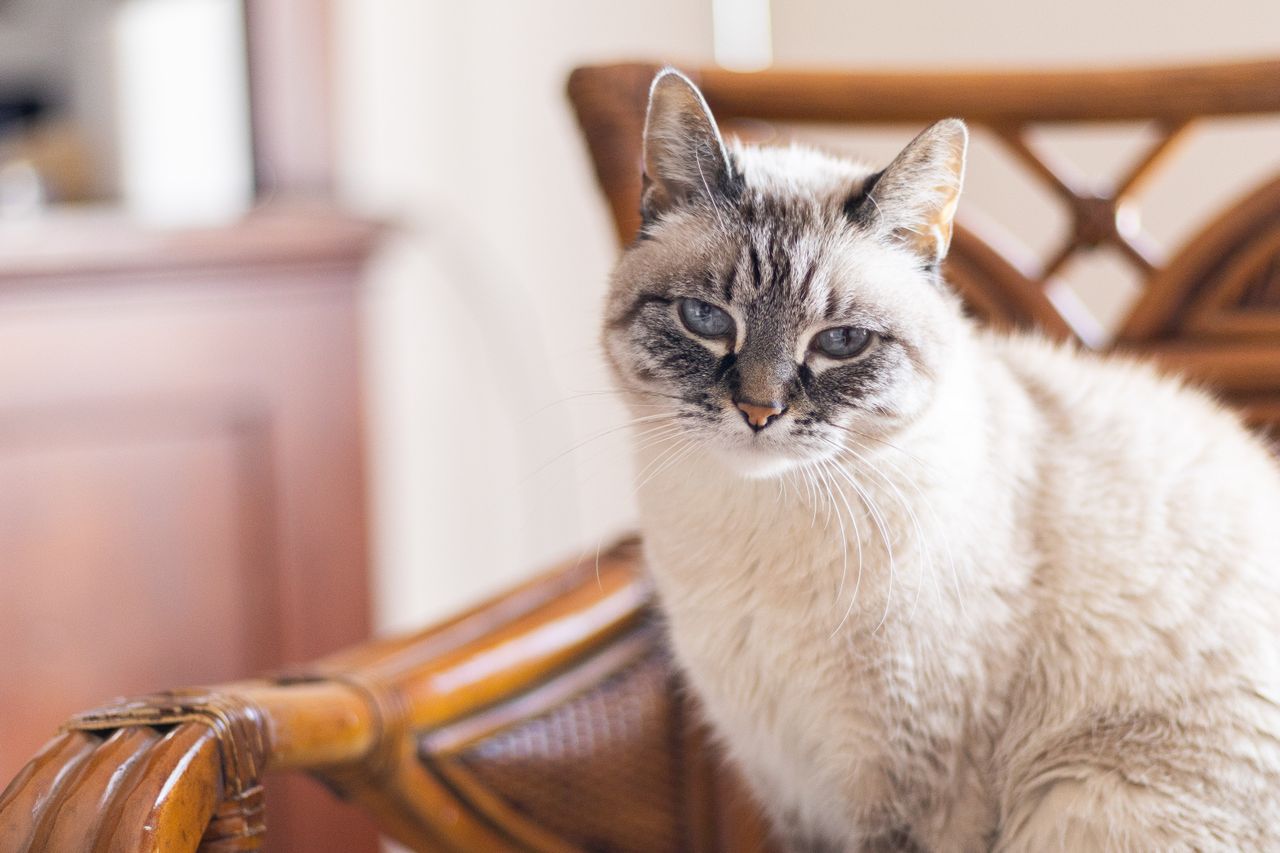
Older pets face higher risk for several conditions we watch closely at every senior visit.
Arthritis affects most senior dogs and cats and is highly manageable when treated early with medication, physical therapy, or anti-inflammatory options. Orthopedic beds, ramps, and raised food bowls can also ease daily strain on aging joints.
Kidney disease often develops gradually, especially in cats, and bloodwork can catch it long before symptoms appear. Heart disease, diabetes, and thyroid disorders also become more common with age and are typically diagnosed through routine bloodwork and physical exams.
Dental disease tends to worsen with age, and bacteria from infected gums can affect the heart, liver, and kidneys if untreated. Roughly half of dogs over ten develop some form of cancer, so we watch for new lumps, unexplained weight loss, or sores that won’t heal, since early detection significantly improves outcomes.
Pain management, mental stimulation, and close monitoring all matter more as pets age. Chronic pain should never go untreated, gentle play and puzzle toys help keep senior pets engaged, and watching for signs like reluctance to eat or withdrawal from the family helps us catch problems early. Our team supports you through these conversations with honesty and compassion.
At Your Family Veterinarian, we’re proud to offer:

Cats and small dogs generally reach senior status around seven to ten years old, medium dogs around seven to eight, and large or giant breeds as early as four to six years. Once your pet hits that threshold, we recommend shifting to wellness exams every six months. Call (786) 885-1590 if you’re not sure where your pet falls.
Each senior exam includes a full physical assessment, a conversation about any changes you’ve noticed at home, and diagnostic testing based on your pet’s age and history, often including bloodwork, urinalysis, and thyroid screening. These tests catch kidney disease, diabetes, and hormonal changes before symptoms appear.
Pets are good at masking discomfort, so subtle changes are often the first sign: reluctance to jump or climb stairs, stiffness after resting, less interest in play, or withdrawal from the family. Cats especially tend to hide pain by sleeping more and grooming less. If you notice any of this, let us know at your next visit.
Often, yes. Senior pets typically need fewer calories as metabolism slows, and some conditions like kidney disease or thyroid issues call for specialized therapeutic diets. We provide diet recommendations specific to your pet’s age, weight, and any diagnosed conditions at each senior visit.
Arthritis is one of the most common, along with kidney disease, especially in cats, dental disease, heart disease, diabetes, thyroid disorders, and cancer. Most of these are manageable when caught early through routine bloodwork and physical exams, which is why twice-yearly visits matter so much for aging pets.
Your aging companion deserves specialized, compassionate care in their golden years. Call (786) 885-1590 or book online to schedule a senior wellness exam with Your Family Veterinarian. Our clinic is located at 16355 SW 88th Street, Miami, FL 33196 in the shopping plaza with LA Fitness and Starbucks. We’re open Monday through Friday, 9am–6pm, and Saturday, 8:30am–2pm.