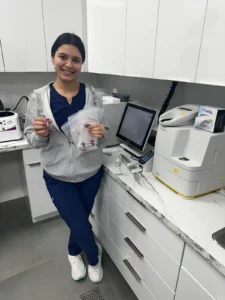
Pet diagnostics in Miami, FL go far beyond a basic physical exam. At Your Family Veterinarian, we use advanced diagnostic tools — including digital X-rays, in-house blood work, urinalysis, fecal testing, ultrasound, and cytology — to identify exactly what is happening inside your pet’s body. When your companion is sick, injured, or due for wellness screening, accurate diagnostics are what allow us to treat the actual problem, not just the symptoms.At Your Family Veterinarian, Dr. Morales and Dr. Fernandez combine thorough physical exams with the right diagnostic tools to build a complete picture of your pet’s health. As a husband-and-wife veterinarian team committed to staying current with veterinary medicine, we use digital medical records so test results are immediately accessible, clearly organized, and easy to share with specialists when needed. Every diagnostic finding is interpreted in the context of your pet’s individual health history, not treated as a number in isolation.
Types of Diagnostic Testing
Blood work reveals information about your pet’s internal organ function, blood cell counts, and biochemical balance that physical examination alone cannot detect. A complete blood count evaluates red and white blood cells along with platelets, showing whether your pet has anemia, infection, or clotting problems. Chemistry panels assess kidney function, liver health, blood sugar levels, protein levels, and electrolyte balance. These tests catch diseases like diabetes, kidney failure, and liver disease before obvious symptoms appear.
Urinalysis examines your pet’s urine for signs of urinary tract infections, kidney disease, diabetes, and other metabolic disorders. This simple test provides valuable information about how well the kidneys are filtering waste and maintaining proper hydration. Concentrated or dilute urine, presence of protein, blood, bacteria, or crystals all point toward specific health problems requiring treatment.
Digital X-Rays
High-quality images of bones, organs, and foreign objects. Diagnoses fractures, tumors, swallowed objects, and heart and lung conditions.
In-House Blood Work
Complete blood counts and chemistry panels assess organ function, detect infection, and catch diseases like diabetes and kidney failure early.
Urinalysis
Screens for urinary tract infections, kidney disease, and metabolic disorders by evaluating protein, glucose, bacteria, and crystals in urine.
Ultrasound
Real-time imaging of soft tissues and internal organs not visible on x-ray. Evaluates the abdomen, heart, bladder, and lymph nodes without radiation.
Fecal Testing
Identifies intestinal parasites, bacterial infections, and digestive problems. Regular screening catches parasites before they spread to other pets or people.
Cytology & Biopsy
Fine needle aspiration and tissue sampling distinguish benign growths from cancer. Guides decisions on surgery, chemotherapy, or other treatments.
Imaging and Radiography
X-rays allow veterinarians to visualize bones, major organs, and foreign objects inside your pet’s body. These images diagnose broken bones, detect tumors, identify swallowed objects, evaluate heart and lung conditions, and show abnormal fluid or gas accumulation in body cavities. Digital radiography produces high-quality images quickly, reducing the time your pet needs to remain still and allowing immediate evaluation of results.
Dental x-rays reveal problems beneath the gum line that visual examination misses. Most dental disease occurs where you cannot see it, affecting tooth roots and surrounding bone. We offer dental x-rays as part of comprehensive oral health assessment, catching infections and damage before they cause visible symptoms or become too advanced to treat conservatively.
When Your Pet Needs Diagnostic Testing
Wellness screening forms the cornerstone of preventive veterinary medicine. Annual or semi-annual blood work for healthy pets establishes baseline values that make it easier to spot changes when they occur. Senior pets benefit from more frequent screening since their health can shift rapidly. Catching diseases like kidney failure, diabetes, or thyroid problems in early stages allows for treatment that significantly extends quality life.
⚠ Symptoms That Warrant Diagnostic Testing
Rather than treating symptoms blindly, diagnostic tests identify the underlying cause so treatment addresses the actual problem. Contact us if your pet shows any of the following:
‣ Vomiting or diarrhea
‣ Lethargy or low energy
‣ Changes in appetite or thirst
‣ Unexplained weight loss or gain
‣ Difficulty breathing or limping
‣ Behavioral changes or confusion
Pre-Surgical Testing
Every pet undergoing surgery needs pre-anesthetic blood work to ensure they can safely tolerate anesthesia. These tests reveal hidden health problems that could cause complications during or after surgery. Young, apparently healthy pets sometimes have congenital conditions that don’t cause symptoms during normal activity but become dangerous under anesthesia. The investment in pre-surgical screening prevents tragic outcomes and gives both you and your veterinarian confidence proceeding with necessary procedures.
Older pets and those with chronic health conditions require more extensive pre-surgical evaluation. Additional testing might include chest x-rays to assess heart and lung function, electrocardiogram to evaluate heart rhythm, or blood pressure measurement. These precautions aren’t excessive caution but rather standard protocols that keep pets safe during medical procedures.
Understanding Blood Work Results
Blood chemistry panels measure specific values that indicate how well organs are functioning. Kidney values like BUN and creatinine rise when kidneys are not filtering waste effectively. Liver enzymes increase when liver cells are damaged or when bile flow is obstructed. Blood glucose shows whether your pet maintains normal sugar levels or has diabetes. Protein levels reflect nutritional status, liver function, and kidney health.
Electrolytes, including sodium, potassium, and chloride must stay within narrow ranges for normal body function. Imbalances cause serious symptoms and sometimes indicate life-threatening conditions. Complete blood counts show how many red cells carry oxygen, whether white cells are fighting infection appropriately, and if platelets can form clots normally.
Common Blood Panel Values — What They Tell Us
Test
What It Measures
Elevated Values May Indicate
BUN & Creatinine
Kidney filtration
Kidney disease, dehydration
Liver Enzymes (ALT, ALP)
Liver cell health
Liver damage, bile obstruction
Blood Glucose
Blood sugar regulation
Diabetes mellitus
Electrolytes (Na, K, Cl)
Fluid and mineral balance
Vomiting, Addison’s disease, toxicity
Red Blood Cells (RBC)
Oxygen-carrying capacity
Low = anemia; high = dehydration
White Blood Cells (WBC)
Immune response
Infection, inflammation, or immune disease
Platelets
Blood clotting ability
Low = clotting disorders or tick-borne disease
Interpreting Results in Context
Individual test values matter less than patterns and combinations of results. A slightly elevated kidney value in a dehydrated pet means something different than the same elevation in a well-hydrated animal. Dr. Morales and Dr. Fernandez evaluate all findings together, considering your pet’s symptoms, physical examination, and medical history when interpreting diagnostic results. We take the time to explain what tests show, what they mean for your pet’s health, and why we recommend specific treatments based on the findings.
Some abnormal results require follow-up testing or monitoring rather than immediate intervention. Not every elevated value indicates disease, and some variations fall within normal ranges for certain breeds or individual animals. This nuanced approach prevents overtreatment while ensuring genuine problems receive appropriate attention.
Advanced Diagnostic Capabilities
Specialized testing expands diagnostic possibilities beyond basic blood work and x-rays. Thyroid testing evaluates hormone production in pets showing weight changes, skin problems, or behavioral shifts. Many senior cats develop hyperthyroidism, while dogs often experience hypothyroidism. Both conditions respond well to treatment once diagnosed.
Fecal testing identifies intestinal parasites, bacterial infections, and digestive problems causing diarrhea or weight loss. Different tests detect different parasites, so multiple screening methods sometimes become necessary. Regular fecal examinations catch parasites before they cause serious illness or spread to other pets or people in your household.
Cytology and Tissue Sampling
Examining cells under a microscope helps diagnose skin masses, ear infections, and fluid accumulations. Fine needle aspiration collects cells from lumps without requiring surgery. This quick procedure often distinguishes benign growths from cancer, guiding treatment decisions. Skin scrapings identify mites, fungal infections, and other microscopic causes of itching and hair loss.Biopsies provide definitive diagnosis for suspicious masses by examining tissue architecture along with individual cells. While more invasive than needle aspiration, biopsies give the most complete information about tumor type, grade, and expected behavior. This information determines whether surgery, chemotherapy, radiation, or other treatments offer the best outcome for your pet.
Making Diagnostic Testing Affordable
We understand that diagnostic testing adds expense to veterinary visits, but these tests save money over time by preventing misdiagnosis and ensuring treatment targets the actual problem. Treating symptoms without identifying causes often leads to repeated visits, multiple medication trials, and worsening conditions that become more expensive to manage. Proper diagnosis up front leads to effective treatment and better outcomes.
Our acceptance of CareCredit and Cherry financing makes necessary diagnostic testing accessible when unexpected illness strikes. We also work with all pet insurance companies, providing detailed documentation of testing and findings to support your claims. Many insurance plans cover diagnostic procedures, especially when medically necessary to investigate symptoms or before surgical procedures.
Discussing Costs Before Testing
We always explain which tests we recommend and why before proceeding. You’ll know the expected costs and how results will guide treatment decisions. In some cases, starting with basic screening and adding more specific tests if needed makes sense both medically and financially. For other situations, comprehensive testing from the start provides the fastest route to diagnosis and treatment. We partner with you to determine the right approach for your pet’s specific situation and your family’s circumstances.
The Role of Diagnostics in Preventive Care
Regular wellness screening catches diseases before symptoms appear, when treatment is most effective and least expensive. Kidney disease, for example, often progresses silently until 75% of kidney function is lost. Blood work detects early changes, allowing dietary management and supportive care that slow progression significantly. Similarly, diabetes caught early responds better to treatment than advanced disease with complications.
Dental x-rays reveal periodontal disease and tooth root abscesses before teeth become loose or infections spread to major organs. Addressing dental problems early prevents painful conditions and the serious health consequences of chronic oral bacteria entering the bloodstream. The preventive approach costs less and causes less suffering than waiting for obvious symptoms to appear.
✓ Preventive Diagnostics
‣ Disease caught when 25% or less organ function is affected
‣ Treatment is simpler — often diet, medication, or monitoring
‣ Lower overall cost and fewer emergency visits
‣ Baseline values established for future comparison
‣ Better quality of life and longer lifespan for your pet
✕ Reactive (Symptom-Based) Care
‣ Disease often advanced by the time symptoms appear
‣ More aggressive treatment required — hospitalization, IV fluids, surgery
‣ Higher costs and longer recovery times
‣ No baseline to compare — harder to assess rate of change
‣ Reduced treatment options and lower success rates
Frequently Asked Questions About Pet Diagnostics in Miami
Does Your Family Veterinarian offer ultrasound for pets in Miami?
Yes — Your Family Veterinarian offers veterinary ultrasound as part of our diagnostic capabilities. Ultrasound allows us to visualize internal organs in real time, assess fluid accumulation, evaluate the heart and abdominal structures, and guide procedures like fine-needle aspirates. It is a non-invasive, painless tool that provides valuable information beyond what X-rays can show alone. Contact our Miami office to discuss whether ultrasound is appropriate for your pet’s situation.
How much does pet blood work cost at a vet in Miami?
The cost of blood work at Your Family Veterinarian varies depending on the type of panel ordered. A basic wellness panel differs from comprehensive pre-surgical screening or disease-specific testing. Our team will always discuss recommended tests and associated costs before proceeding so you can make an informed decision. We also offer CareCredit and Cherry financing to make diagnostic testing more accessible. Call our Miami office directly for an estimate based on your pet’s specific situation.
How do I know if my pet needs diagnostic testing at their annual exam?
For healthy adult pets, we recommend annual wellness blood work as a baseline screening tool even when your pet appears perfectly fine. This helps detect early-stage conditions like kidney disease, diabetes, or thyroid disorders before symptoms appear. Senior pets — generally age 7 and older — benefit from twice-yearly testing given how quickly their health can shift. If your pet is showing any changes in appetite, thirst, energy, weight, or behavior, diagnostic testing becomes a priority at any visit.
Schedule Diagnostic Testing at Your Family Veterinarian in Miami, FL
When your pet needs diagnostic testing in Miami, you want a veterinary team that combines advanced technology with genuine expertise and compassionate care. At our family-owned practice, we utilize digital X-rays, in-house laboratory equipment, and ultrasound to get you fast, accurate answers — because waiting for results is stressful, and guesswork isn’t good enough when it comes to your companion’s health. Dr. Morales and Dr. Fernandez take the time to explain test results clearly, answer your questions thoroughly, and develop individualized treatment plans based on what diagnostics reveal about your pet’s unique situation.
Our digital medical records ensure results are organized, accessible, and easy to share if specialist consultation becomes necessary. Contact Your Family Veterinarian today to discuss diagnostic testing for your pet and experience the difference that advanced technology combined with compassionate, quality care makes in your companion’s health outcomes.
If you would like to obtain more information regarding our advanced diagnostic services, please give us a call today at (786) 885-1590 . Our veterinary team is standing by and ready to assist you.
“Dr. Morales is an amazing veterinarian. He has been treating my dog Marino since he was three weeks old and who is now three years old. He cares for Marino as if its his own pet. As a pet owner, I have always felt secure and confident with Dr. Morales’ care treatment my for Marino. I can’t wait for you and your wife to open your new pet clinic. Congratulations Dr. Morales and Dr. Fernandez on your business and new bundle of joy!”
—Yamaris
“My dog, a 100+ pound ball of nerves, makes it almost impossible for vets to treat him. However, Dr. Morales has such a way with animals that he’s the only one who makes him feel comfortable (they even take selfies together). I cannot say enough great things about him and the service he provides to all fur babies. Hachi can’t wait to visit soon!!!”